Back-to-School Routines: How to Help Elementary & Middle School Children Transition Successfully
August means fresh backpacks, sharpened pencils, new teachers, and the excitement (and sometimes anxiety) of a brand-new school year. While many children look forward to seeing friends again, returning to school also means adjusting to earlier mornings, structured schedules, homework, and new expectations.
Whether your child is entering kindergarten or heading into middle school, a smooth transition starts before the first day of school. The good news? A few small changes during the weeks leading up to school can make a big difference.
Let's talk about how to help your child transition back into a routine with confidence.
Why Routines Matter
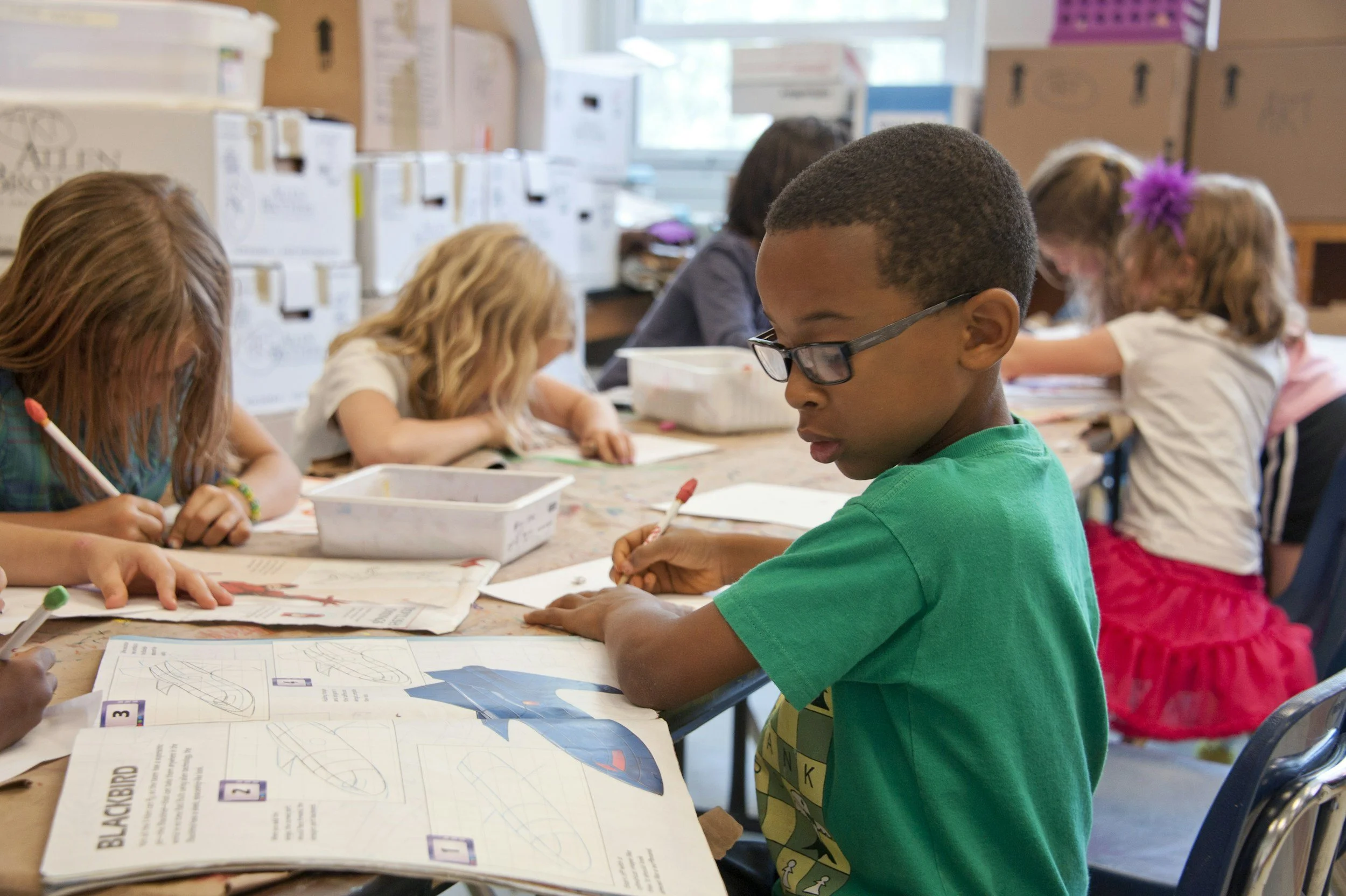
Children thrive on predictability.
Knowing what to expect helps reduce anxiety, supports emotional regulation, and allows children to focus their energy on learning rather than figuring out what's coming next.
After a summer filled with vacations, later bedtimes, and flexible schedules, it's completely normal for children to need time to adjust. The goal isn't perfection on day one—it's creating routines that help your child feel prepared and successful.
Start Adjusting Sleep Early
One of the biggest challenges families face when school starts is the return to early mornings.
Rather than waiting until the night before school begins, start shifting bedtime and wake-up time about one to two weeks before the first day of school.
Try moving bedtime earlier by 15–30 minutes every few nights until your child is waking up comfortably at their school-year time.
Quality sleep plays a huge role in:
attention and focus
emotional regulation
learning and memory
behavior
overall health
If mornings have become a battle over the summer, making gradual adjustments now can prevent stressful first weeks of school.
Practice the Morning Routine

Children often do better when they've already practiced what's expected.
A few days before school starts, consider doing a "practice run."
Wake up at the normal school time.
Get dressed.
Eat breakfast.
Brush teeth.
Pack the backpack.
Even if you're not going anywhere, practicing the routine helps everyone identify what needs to change before the first official school morning.
Reintroduce Independence
Summer often brings a little extra help from parents—and that's okay.
Before school starts, begin encouraging your child to complete age-appropriate tasks independently.
Elementary-aged children can practice:
packing their backpack
putting away lunch containers
choosing tomorrow's outfit
making their bed
organizing school supplies
Middle school students can begin taking more responsibility for:
setting alarms
managing homework materials
checking school communication
preparing lunch
keeping track of assignments
These small responsibilities build confidence while reducing the morning workload for parents.

Talk About Feelings
Not every child is excited to go back to school.
Some are nervous about:
a new teacher
changing schools
making friends
harder academics
lockers
changing classes
Instead of immediately trying to fix those worries, start by listening.
Try asking:
"What are you most excited about?"
"What are you nervous about?"
"Is there anything you're wondering about?"
Sometimes children simply need space to talk through their feelings.
Limit Screen Time Before Bed
Summer often means later nights and more screen time.
As school approaches, begin reducing screens before bedtime.
Instead, consider:
reading together
quiet conversation
puzzles
drawing
calming music
A predictable bedtime routine signals to the brain that it's time to wind down and makes falling asleep easier.
Create an After-School Routine
Many parents focus on mornings but forget afternoons.
Children benefit from knowing what happens after school too.
For example:
Arrive home
Snack
Relax for 20–30 minutes
Homework
Outside play or activities
Dinner
Family time
Bedtime routine
Not every afternoon will go exactly as planned—and that's okay.
The goal is consistency, not perfection.
Don't Forget the Basics
The first few weeks of school can feel overwhelming for everyone.
Remember that children are adjusting to:
new expectations
longer days
increased social interaction
more academic demands
Simple things make a difference.
✔ Enough sleep
✔ Nutritious meals
✔ Physical activity
✔ Family connection
✔ Patience
Sometimes behavior changes during the first few weeks are simply signs that your child is tired, overwhelmed, or adjusting to a new routine.
Give Yourself Grace Too
Back-to-school isn't just an adjustment for children.
Parents are juggling schedules, sports, homework, transportation, after-school activities, and work responsibilities.
It's okay if everything doesn't go perfectly during the first week—or even the first month.
Routines take time to build.
Consistency matters far more than perfection.
Celebrate the small wins.
Maybe everyone got out the door on time.
Maybe homework took ten fewer reminders today.
Maybe bedtime went a little smoother than yesterday.
Those victories add up.
Final Thoughts
Back-to-school season isn't about creating the perfect routine overnight.
It's about creating predictable rhythms that help children feel safe, confident, and ready to learn.
Start small.
Stay consistent.
Adjust as needed.
And remember, every family is different. The best routine is the one that works for yours.
As the school year begins, give yourself—and your child—the grace to learn, grow, and settle into this new season together.
Looking for More Family Resources?
If you enjoyed this article, you may also like:
Can You Spoil a Baby? What the Research Actually Says(for growing families with younger siblings)
Helping Your Baby Sleep During the First 12 Weeks(for families welcoming a new baby while older siblings return to school)