Can You Spoil a Baby? What the Research Actually Says
One of the very first questions my Child Development professor asked my class was, "Can you spoil a baby?"
I still remember sitting there thinking about it because it's a question almost every new parent has heard at some point. Maybe it came from a grandparent, a neighbor, a friend, or even a stranger in the grocery store.
"You're holding that baby too much."
"Don't pick them up every time they cry."
"You're going to spoil them."
It's one of the oldest pieces of parenting advice out there—but is it actually true?
The short answer is no.
The longer answer is a little more nuanced, and that's exactly what we're going to talk about.
As a postpartum doula, sleep consultant, parent coach, and family educator, this is one of the most common concerns I hear from new parents. They're exhausted, they're trying to figure out what their baby needs, and then someone tells them they're creating bad habits simply because they're holding, feeding, rocking, or comforting their child.
If you're an expecting parent, you've probably already realized that advice starts long before your baby arrives. From choosing the "right" baby products to deciding how often you should hold your newborn, everyone seems to have an opinion.
The truth is, newborns are developmentally different from older babies, toddlers, and preschoolers. What is appropriate for a two-week-old is not necessarily appropriate for a two-year-old. That's why understanding child development is so important. When we know what babies are capable of—and what they're not—we can stop parenting based on myths and start parenting based on how children actually grow and develop.
So, can you spoil a baby?
Let's talk about what the research actually says.

Comfort Is Not Spoiling
You can't spoil a newborn by meeting their need for comfort, closeness, and connection.
Why You Can't Spoil a Newborn
One of the biggest misconceptions about newborns is that they are capable of manipulating their parents. In reality, newborns simply don't have the brain development to manipulate, misbehave, or intentionally control the adults around them. Their brains are incredibly immature, and crying is the primary way they communicate their needs.
When a newborn cries, they aren't thinking, "If I cry, Mom will come pick me up." They aren't trying to get their way or test your patience. They're communicating the only way they know how. They may be hungry, tired, uncomfortable, overstimulated, too hot, too cold, need a diaper change, be in pain, or simply need the comfort and security of being close to the person they trust most.
Crying is communication—not manipulation.
When you respond to your newborn's cries, you are not rewarding bad behavior or creating a spoiled child. You're teaching your baby that their needs matter, that the world is safe, and that the people caring for them can be trusted. This consistent, responsive caregiving is one of the building blocks of secure attachment and healthy emotional development.
Comforting your baby also means understanding what's developmentally normal. Frequent waking, contact naps, and wanting to be held are all common during the newborn stage. I talk more about those early sleep expectations in Helping Your Baby Sleep During the First 12 Weeks, where I explain why newborn sleep looks so different from that of older babies.
As Children Grow, So Does Their Communication
This is where the conversation becomes a little more nuanced.
As babies grow, their brains develop rapidly, and so do their communication skills. Around 8 to 12 months of age, babies begin to understand simple cause-and-effect relationships. They start recognizing that their actions can influence the people around them. For example, they may realize that reaching their arms up often results in being picked up or that babbling gets your attention.
That is not manipulation—it's learning.
As children move into toddlerhood (around 12 to 24 months and beyond), they become much more intentional communicators. They may cry, protest, or repeat certain behaviors because they've learned those behaviors often get a response. A toddler might cry because they want another cookie, don't want to leave the playground, or would rather be carried than walk. Their emotions are real, but now they're also learning how their behavior influences the world around them.
This is why parenting isn't one-size-fits-all.
The way we respond to a two-week-old should not be the same way we respond to a two-year-old.
A newborn needs you to meet every one of their physical and emotional needs because they are completely dependent on you. A toddler still needs comfort and connection, but they also benefit from consistent boundaries, opportunities to tolerate frustration, and guidance as they learn emotional regulation. As children grow, our parenting naturally grows with them. A responsive approach with a newborn eventually becomes a balance of warmth and boundaries with toddlers and older children—a topic I explore further in Gentle Parenting Doesn't Mean No Boundaries.
Understanding what is developmentally appropriate at each stage allows us to respond with both compassion and confidence instead of fear.
Where Did the Myth Come From?
If you ask your parents or grandparents, there's a good chance they'll tell you they were warned not to hold their babies too much. Many were encouraged to put their babies on strict feeding schedules, avoid picking them up every time they cried, and teach independence as early as possible.
The truth is that parenting recommendations have changed significantly over the years because our understanding of child development has changed.
Decades ago, researchers knew far less about infant brain development, attachment, and emotional regulation than we do today. Many parenting recommendations were based on cultural beliefs, personal experiences, and the idea that children needed to become independent as quickly as possible. While those recommendations were often given with good intentions, they weren't always supported by the scientific evidence we have available today.
That doesn't mean previous generations were "bad parents." They parented with the information and recommendations they had at the time, just as today's parents are doing the best they can with what we know now.
As our understanding of child development grows, it's okay for our parenting practices to grow too.
What Does Responsive Parenting Actually Look Like?
Responsive parenting doesn't mean saying yes to everything your child wants.
It means paying attention to your child's cues and responding in a way that is developmentally appropriate.
For a newborn, that may mean feeding them when they're hungry, rocking them when they're tired, changing their diaper when they're uncomfortable, or simply holding them because they need comfort and connection.
As children grow, however, responsive parenting begins to look different. You still acknowledge their emotions and offer comfort, but you don't always remove the frustration they're experiencing.
For example, if your newborn cries because they're hungry, you feed them.
If your toddler cries because they want another cookie before dinner, your response might sound more like, "I know you're disappointed. Cookies aren't on the menu right now, but we can have one after dinner."
In both situations, you've responded to your child's emotions.
The difference is that you've responded in a way that matches their developmental stage.
This is also why I encourage parents not to worry so much about creating "bad habits" during the newborn stage. There will be plenty of opportunities to teach independent sleep later if that's a goal for your family. In fact, I wrote an entire article about Sleep Training, Mental Health & Exhausted Parents because I believe those conversations deserve far more compassion than judgment.
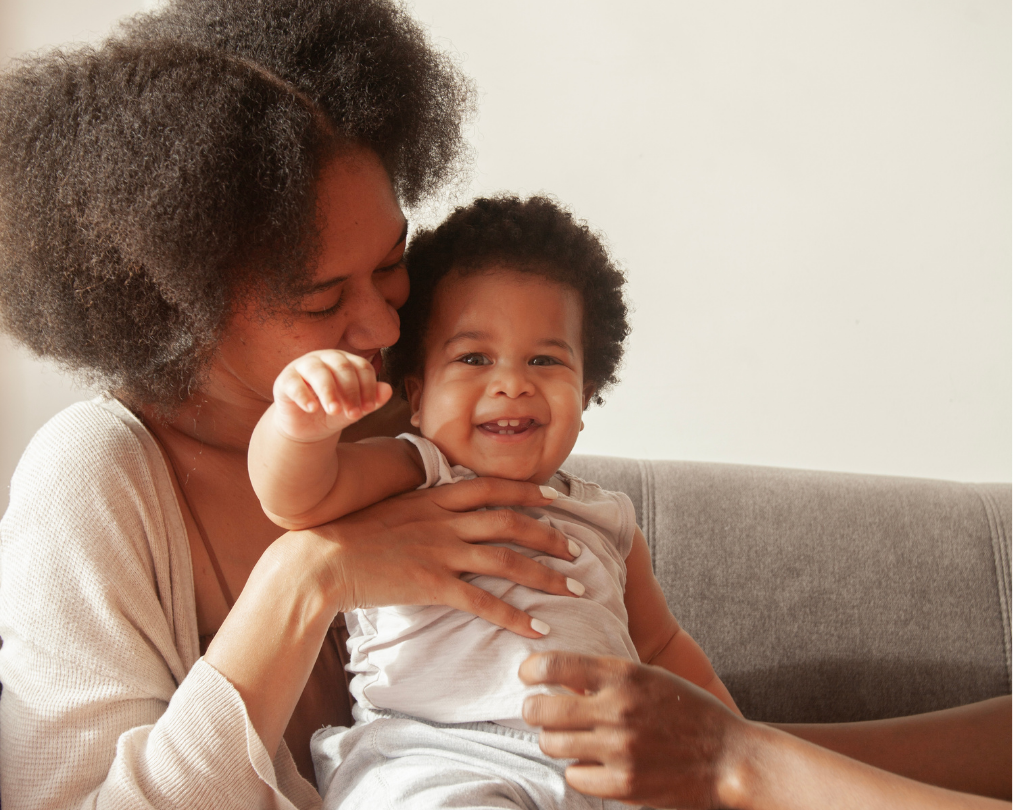
Connection Today. Confidence Tomorrow.
The love, comfort, and security you provide today help lay the foundation for your child's emotional well-being, resilience, and independence in the years to come.
So... Hold Your Baby
If there's one thing I hope you take away from this article, it's this:
Hold your baby.
Pick them up when they need comfort.
Rock them to sleep if that's what they need today.
Let them nap on your chest.
Wear them in a baby carrier.
Cuddle them.
Love on them.
Respond to their cries.
Meet their needs without worrying that you're somehow "creating a spoiled child."
There will come a day when your baby no longer fits so perfectly on your chest.
One day they'll crawl away from you.
Then they'll walk away.
Then they'll run toward the playground instead of into your arms.
One day they'll tell you they can do it themselves.
And before you know it, you'll find yourself wishing you could go back and hold them just one more time.
You won't spoil your newborn by making them feel safe.
You'll teach them that when they're hungry, someone feeds them.
When they're scared, someone comforts them.
When they're overwhelmed, someone helps them regulate.
When they need connection, someone is there.
Those early experiences become the foundation of trust, secure attachment, and healthy emotional development.
As your child grows, your parenting will grow too. You'll begin teaching patience, resilience, frustration tolerance, emotional regulation, and independence. Those lessons are incredibly important—but they come later.
Right now, your newborn doesn't need you to teach independence.
They need you to teach safety.
If you're expecting your first baby and want to feel more confident before they arrive, my Newborn Basics Workshop dives deeper into newborn sleep, feeding, soothing, safe sleep, diapering, and what to realistically expect during those first weeks at home. And if you'd rather have someone walk alongside you during that transition, my Postpartum Doula Services provide personalized, hands-on support for families as they adjust to life with a new baby.
So the next time someone tells you, "You're going to spoil that baby," you can smile, knowing that the research says otherwise.
You're not spoiling your baby.
You're helping them build the foundation they'll spend the rest of their life standing on.